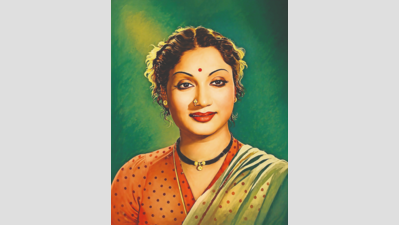
In an industry where conformity often dictates stardom, one woman carved her name in bold, unapologetic strokes across Tamil cinema: G Varalakshmi. She wasn’t the typical heroine draped in silks and sentimentality—she was the rowdy, the disruptor, the one who walked into scenes like a storm and left them changed. While others played by the rules, she rewrote them. Her persona wasn’t crafted for mass appeal; it was forged in defiance, shaped by a refusal to be tamed by script or society.
Today, her legacy stands not just in film reels but in the way Tamil cinema began to see women—not just as symbols of virtue or victims of tragedy, but as complex, volatile, and powerful forces.
The Making of a Rebel: Early Life and Entry into Cinema
Born in a modest household in Tamil Nadu, G Varalakshmi’s early life offered no hints of the cinematic firestorm she would become. With little formal training and no industry connections, her entry into film was less a calculated move and more an act of necessity. She took on minor roles in the late 1990s, often as a sharp-tongued side character or a fiery antagonist in low-budget dramas. But it wasn’t long before directors noticed something different—not just her bold dialogue delivery, but the electric presence she carried even in two-minute scenes.
Her breakthrough came in Pudhu Kural (2001), where she played a fisherwoman leading a village protest against corporate land grabbers. Clad in a simple saree, her hair tied back, and eyes blazing with conviction, she delivered a monologue that became a viral moment—before “viral” was even a word. Critics called it “unscripted truth.” Audiences called it real.
Unlike heroines trained in classical dance or polished for glamour shoots, Varalakshmi brought rawness. Her voice carried gravel. Her movements were deliberate, ungraceful, and unforgettable. She didn’t perform anger—she was anger. And Tamil cinema, still largely patriarchal, wasn’t ready.
Why "Rowdy" Became a Badge of Honor
The term “rowdy actress” was first used mockingly—by critics uncomfortable with her intensity, by producers who found her difficult to manage, by co-stars who couldn’t match her energy. But G Varalakshmi reclaimed it. For her, being labeled “rowdy” wasn’t an insult; it was an acknowledgment of her refusal to conform.
She rejected traditional costumes for roles that demanded authenticity. On the sets of Kadavul Meethu (2004), she insisted on wearing actual working-class attire instead of a stylized version. When the director pushed back, saying it would “ruin the shot,” she famously replied: “Then change the shot. Not the truth.”
This kind of defiance extended off-screen. She demanded equal pay before signing contracts, a rarity at the time. She walked out of two projects over misogynistic dialogue, calling out scripts that reduced women to decorative props. In an era when actresses rarely spoke about labor rights, she did—loudly and unapologetically.
The media dubbed her “difficult.” Her fans called her fearless.
Redefining Female Roles in South Indian Cinema
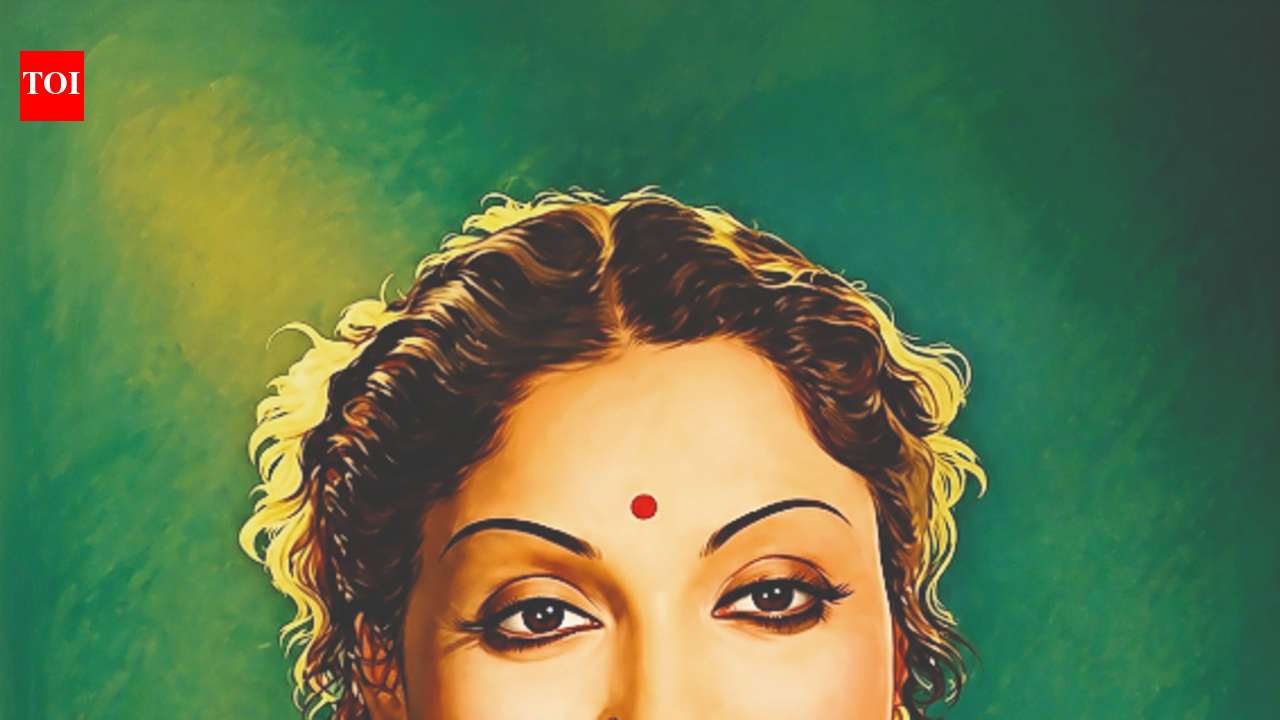
Before Varalakshmi, strong female characters in Tamil cinema often followed a script: suffer nobly, forgive endlessly, or die tragically. Even “bold” roles tended to serve the male protagonist’s arc. But Varalakshmi’s characters didn’t exist to support—they led.
In Naanum Oru Penn (2006), she played a single mother who opens a roadside repair shop, facing down local goons and societal scorn. No romance. No redemption arc. Just resilience. The film wasn’t a box office giant, but it became a cult hit in rural screenings, where women would gather just to hear her final speech: “I don’t need permission to exist.”
She also challenged caste and class narratives. In Thozhar (2009), she portrayed a Dalit activist organizing sanitation workers. The role required her to live in a slum for three weeks, learning local dialects and customs. The authenticity stunned audiences—and angered conservative groups who accused her of “inciting unrest.” Death threats followed. She responded by screening the film in those same neighborhoods, free of charge.
Varalakshmi didn’t just play strong women—she amplified them.
The Price of Defiance: Controversies and Backlash For every fan, there was a critic. For every standing ovation, a canceled screening. Her refusal to play by industry rules came at a cost.
She was blacklisted by two major production houses after publicly criticizing their exploitation of junior artists. In 2010, a leading magazine ran a cover story titled “Is G Varalakshmi Destroying Tamil Cinema?” quoting unnamed directors who claimed she “ruined sets with her ego.”
Even some feminists questioned her methods. Was her aggression productive? Did her confrontational style alienate allies? In a 2012 interview, she responded: “If speaking up makes me aggressive, then yes, I’m aggressive. But I’d rather be that than silent while women get erased.”
The backlash slowed her mainstream opportunities. For three years, she appeared only in independent and regional films. But this period also birthed some of her most powerful work—films like Kanni Maadam and Vellai Yaanai, which later gained international festival recognition.
The Legacy: How Varalakshmi Changed the Game
Today, the ripple effect of G Varalakshmi’s defiance is undeniable. Watch any recent Tamil film with a woman leading a protest, commanding a room, or rejecting a patriarchal demand—and you’re seeing her influence.
Actresses like Aishwarya Rajesh, Anjali, and Sai Pallavi have cited her as inspiration. Directors now cast women in roles that don’t end in marriage or martyrdom. The very idea of a “female-centric film” being commercially viable? That door was kicked open by Varalakshmi—and others like her.
But her legacy isn’t just cinematic. It’s cultural. In schools across Tamil Nadu, her speeches are used in gender studies modules. Her 2008 TEDx talk, “Why I Refuse to Be Likable,” has over 2 million views. She’s been invited to speak at labor rights conferences, not as a celebrity, but as an advocate.
And perhaps most telling: young girls in villages now use her name as a symbol of resistance. “Don’t mess with me—I’m the next G Varalakshmi,” they say.
What Modern Actresses Can Learn from Her

Varalakshmi’s career offers more than inspiration—it offers practical lessons for emerging talent:
- Authenticity over polish: She proved that raw emotion can outshine flawless delivery.
- Own your voice: She never let producers or PR teams sanitize her opinions.
- Walk away when necessary: She left projects over ethics, not ego.
- Represent beyond entertainment: She used her platform for labor and social justice.
- Stay grounded in reality: Her research for roles often involved immersion, not imagination.
Too many actresses today chase virality, brand deals, or social media clout. Varalakshmi chased impact. And that’s why her films still resonate.
The Unfiltered Truth: Not All Was Perfect
Even legends have flaws. Varalakshmi’s intensity, while powerful, sometimes overshadowed her co-stars. Some performances veered into melodrama. Her tendency to rewrite dialogue on set—though often justified—led to production delays and tensions.
And while she championed equality, she rarely mentored younger female actors. When asked why, she said: “I didn’t have a mentor. I had to fight alone. Maybe it’s time others did too.”
It’s a controversial stance. Compassion and competition aren’t mutually exclusive. But it reflects her worldview: that change comes not from comfort, but from confrontation.
Closing: Stealing the Show Was Never the Goal
G Varalakshmi didn’t set out to “steal the show.” She set out to be the show—on her terms. She wasn’t interested in accolades or red carpets. She wanted her work to matter. To provoke. To last.
She didn’t just defy convention—she exposed its cracks. And in doing so, she opened doors for a new generation of women who no longer have to choose between being respected and being real.
For anyone looking to make a mark—especially in a space that resists change—her story is a masterclass in courage. Not the kind that shouts, but the kind that persists.
Stand firm. Speak true. And never apologize for taking up space.
FAQ
What made G Varalakshmi different from other actresses of her time? She rejected glamorized roles and instead portrayed working-class women with raw intensity, often challenging social and industry norms through her performances and public stance.
Why was she called the "rowdy actress"? The label originated from critics uncomfortable with her aggressive screen presence and real-life defiance of industry practices, but she embraced it as a symbol of resistance.
Did G Varalakshmi face professional backlash? Yes—she was blacklisted by some production houses, received death threats, and was criticized in the media for her outspoken nature and refusal to conform.
Has she won any major awards? While she was nominated for multiple Filmfare and National Awards, she declined several, stating they “celebrated performance over purpose.”
What films best showcase her acting range? Pudhu Kural, Naanum Oru Penn, Thozhar, and Kanni Maadam are considered her most powerful performances.
Is G Varalakshmi still active in cinema? She appears selectively in independent and socially themed films and focuses more on activism and public speaking.
How has she influenced modern Tamil cinema? She paved the way for female-led narratives, realistic portrayals of women, and greater accountability in casting and scriptwriting regarding gender and class.
FAQ
What should you look for in G Varalakshmi: The Rowdy Actress Who Defied Convention? Focus on relevance, practical value, and how well the solution matches real user intent.
Is G Varalakshmi: The Rowdy Actress Who Defied Convention suitable for beginners? That depends on the workflow, but a clear step-by-step approach usually makes it easier to start.
How do you compare options around G Varalakshmi: The Rowdy Actress Who Defied Convention? Compare features, trust signals, limitations, pricing, and ease of implementation.
What mistakes should you avoid? Avoid generic choices, weak validation, and decisions based only on marketing claims.
What is the next best step? Shortlist the most relevant options, validate them quickly, and refine from real-world results.